
Our Story · 5 min read · By Vignesh Manikandan
Published
Sports Infrastructure Guide : Key Insights & Mistakes to Avoid Before Building a Sports Facility
The sports infrastructure industry in India is growing rapidly, but it comes with hidden challenges. From knowledge gaps to poor execution and misleading marketing, this blog breaks down the real issues customers face and what you need to know before building a sports facility.
In short: The most common mistakes before building a sports facility in India are deciding without enough knowledge, accepting fake or low-quality products, judging by marketing instead of what is actually delivered, ignoring maintenance, and choosing on price alone. This article explains each one and what to do before you build.
The Biggest Insight: This Industry Is Just Beginning
One thing became very clear to us after stepping into the sports infrastructure space
this industry is still at a very early stage.
There’s a lot happening right now. New companies are entering, new technologies are being introduced, and more people from schools to private investors are starting to build sports facilities.
That’s a great sign. It means the ecosystem is growing.
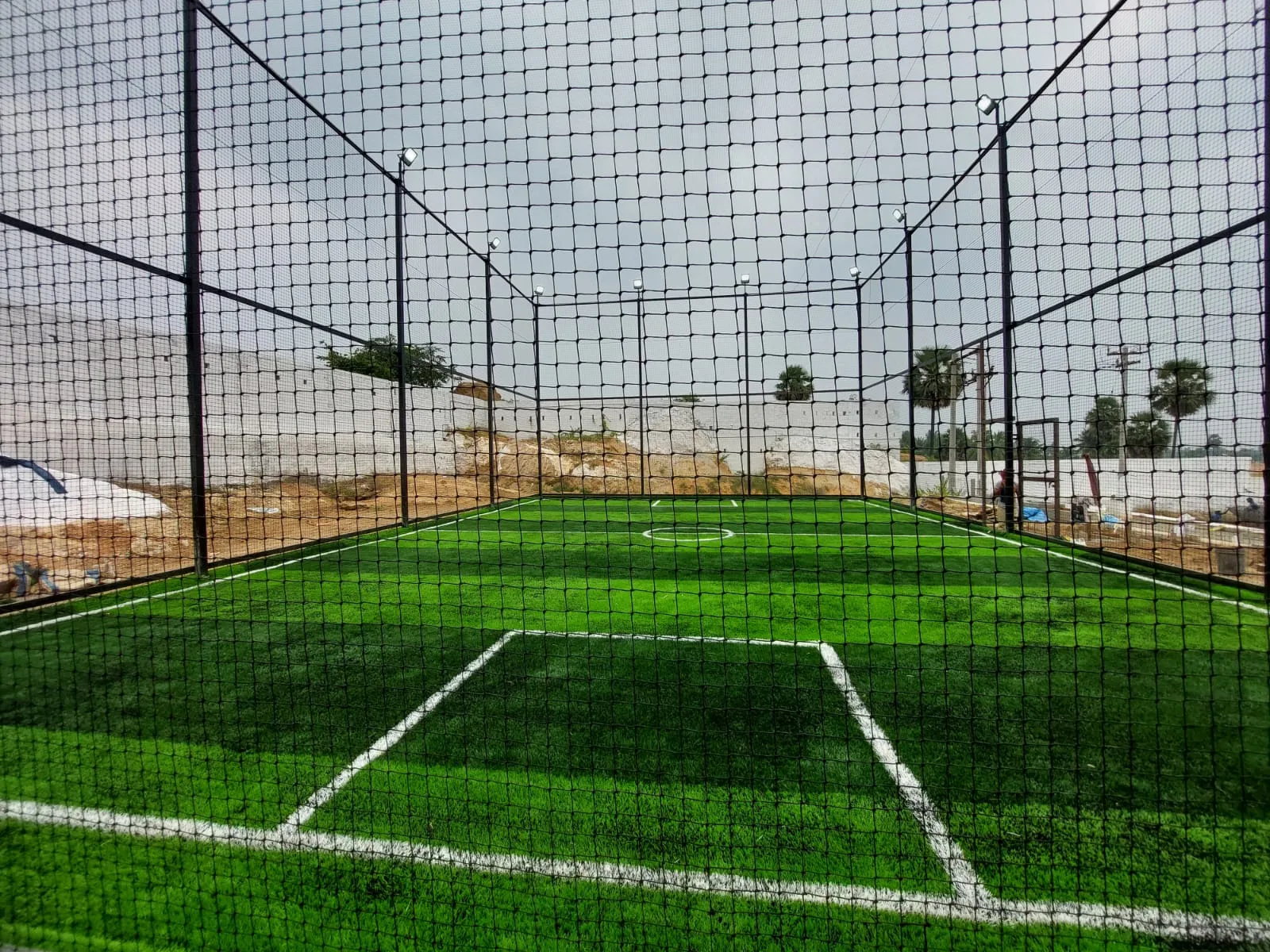
But at the same time, it also means there are gaps. And some of these gaps are quite serious.
The Real Gap: Lack of Knowledge
If there’s one problem that stands out the most, there’s a clear lack of understanding across the industry.
Many customers investing in sports facilities don’t fully understand what they’re actually buying. And surprisingly, in some cases, even the companies selling these products don’t have complete clarity themselves.
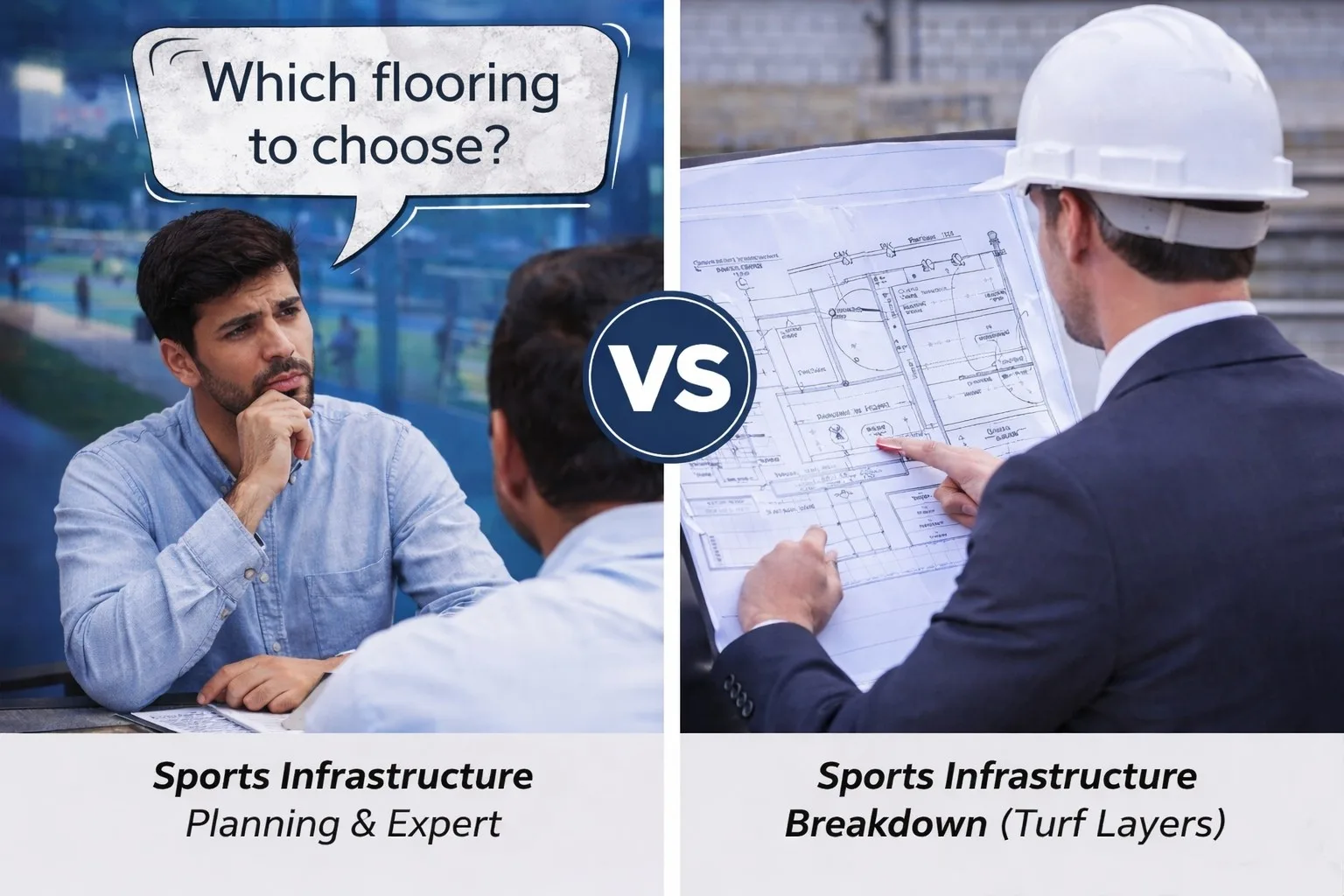
That’s why you often see companies that are great at marketing, but not necessarily strong in product quality or long-term performance.
If you’re planning to build a sports facility, this is where you need to be careful.
The right vendor isn’t just someone who can sell you a product , they should understand the sport, the usage, and the technical side of what they’re installing.
Because in the end, it’s athletes who will use that space. And their experience depends directly on the quality of what’s built.
The Problem of Fake and Low-Quality Products
Here’s something that’s honestly concerning.
When people buy a car worth ₹7 lakhs, they spend weeks researching. But when it comes to building a sports court which can cost anywhere from ₹5 to ₹20 lakhs many skip that step completely.
There’s very little verification.
And that opens the door for low-quality or even fake products being pushed in the market.
What makes it worse is the lack of transparency. Very few companies openly explain what goes into their product or how it performs over time.
And considering that the product itself can make up around 60% of the total project cost, this is not a small detail ,it’s the most important decision.
The Part Everyone Ignores
One of the biggest mistakes we see is how casually the base (substructure) is treated.
To reduce costs, many customers assume that any local contractor can handle it. On paper, it may save ₹2–3 lakhs. But in reality, it creates much bigger problems later.
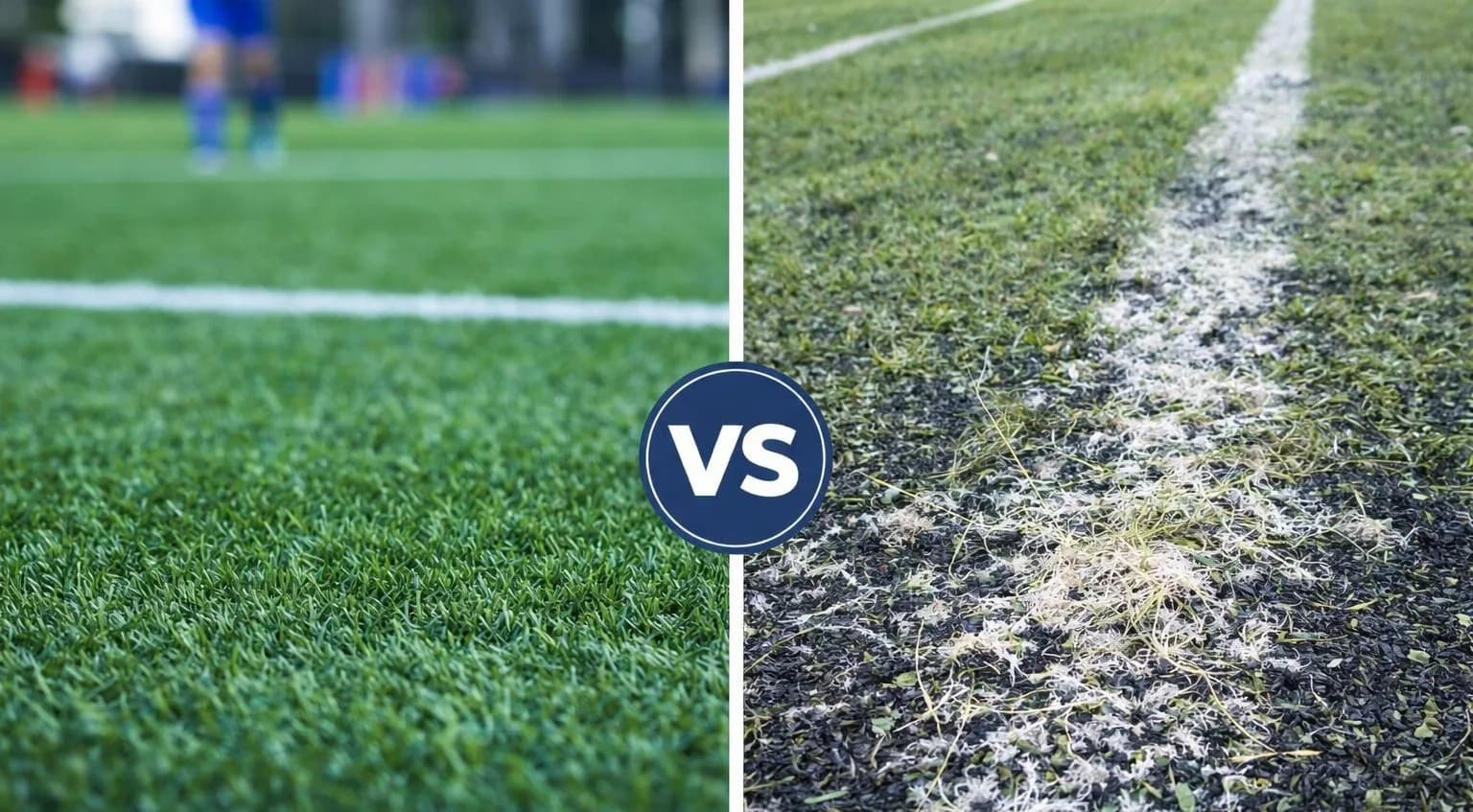
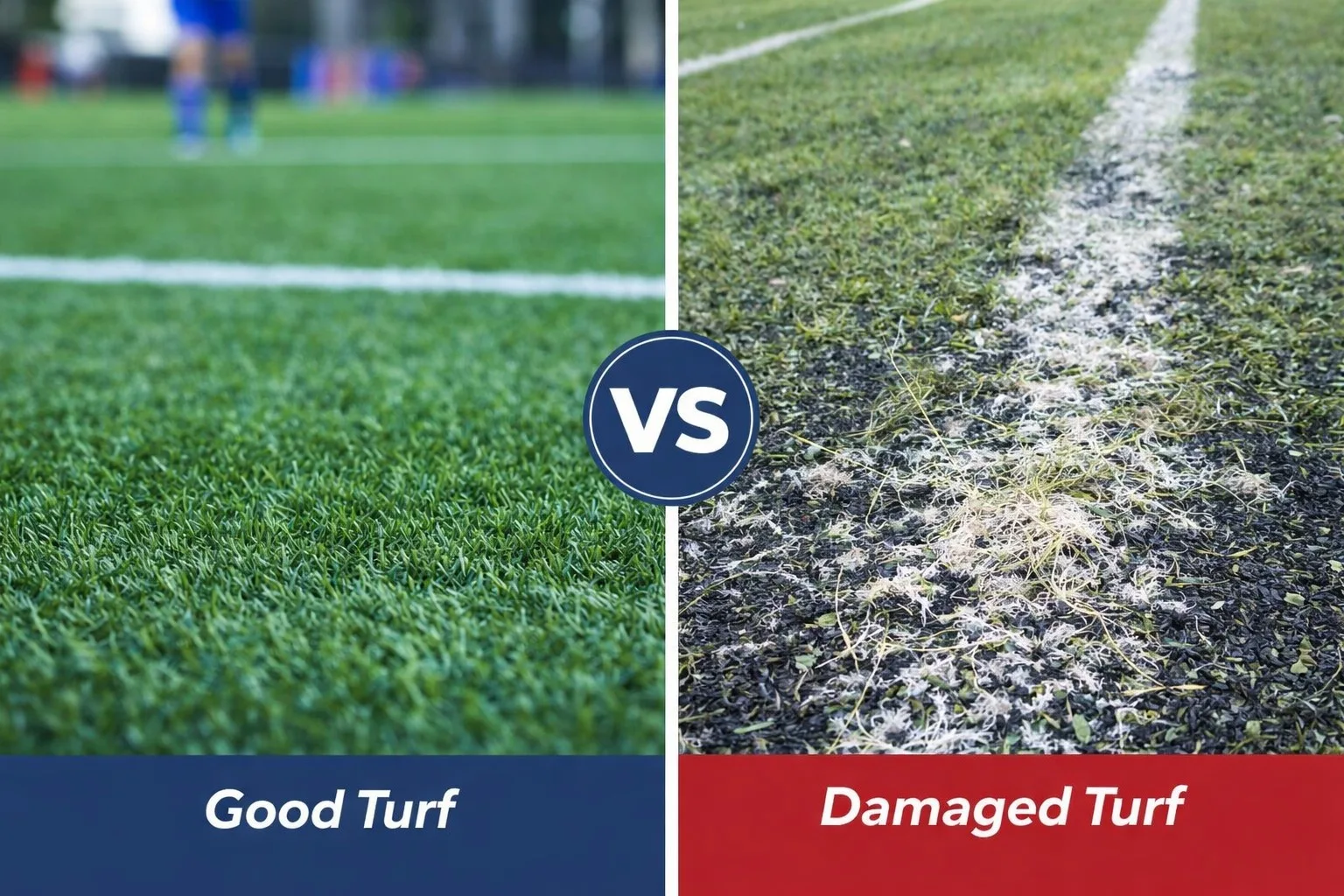
Poor substructure can lead to drainage issues, uneven surfaces, faster damage, and higher maintenance costs.
In some cases, it even leads to early replacement of the entire flooring.
What most people don’t realize is that the performance of a sports surface depends heavily on what’s underneath it.
It’s not just about turf or flooring ,it’s an engineering system. And the foundation matters the most.
Marketing vs Reality
Today, anyone can create a good-looking video and run ads.
There’s nothing wrong with marketing. But the problem starts when what’s promised is very different from what’s actually delivered.
We’ve seen cases where companies showcase high-quality materials online but install something completely different on site.
That’s where trust breaks.
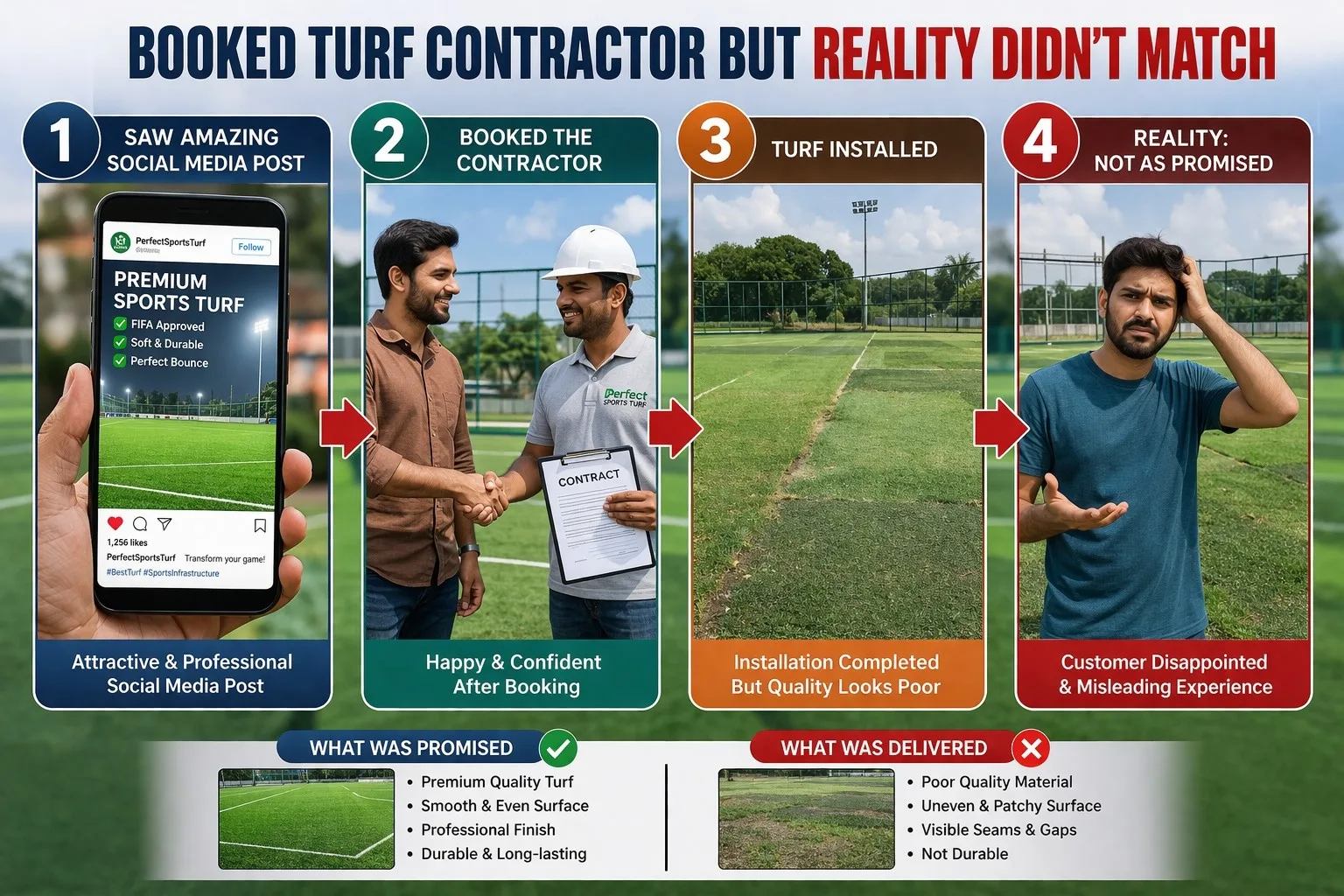
Social media is useful to discover options, but it shouldn’t be the only thing you rely on. Always go deeper. Ask questions. Verify details.
What You See vs What You Get
Another common issue is the gap between the advertised product and the actual product used.
Strong marketing can make anything look premium. But unless you verify specifications, certifications, and materials, you may end up with something entirely different.
This is something we’ll break down in detail in future blogs how to actually verify what you’re being sold.
Maintenance: The Most Overlooked Factor
Maintenance is one of the biggest challenges facility owners face.
Most products require regular upkeep. That’s not hidden—it’s clearly mentioned by manufacturers.
But in reality, many vendors complete the project and disappear when it comes to support.
Before choosing a vendor, always ask:
- How will maintenance be handled?
- Do you offer ongoing support?
- Is there an AMC (Annual Maintenance Contract)?
Because without proper maintenance, even the best product won’t last.
The Price Trap
Price is another area where many people go wrong.
Take artificial turf as an example.
A customer might choose a turf that’s ₹1 lakh cheaper. It feels like a smart saving. But in reality, that small difference just 5–7% of the total cost can reduce the product’s lifespan by 15–20%.
Why? Because pricing isn’t just about the turf itself.
It includes:
- material quality
- installation process
- adhesives used
- seaming quality
If any of these are compromised, the entire system suffers.
So instead of focusing only on price, it’s important to look at the full picture.
A Growing Industry with Huge Potential
Despite all these challenges, there’s a positive side.
The sports infrastructure space in India is growing rapidly.
We’re seeing more demand, more innovation, and more people willing to invest in sports.
It’s an exciting phase. But it’s also a phase where the industry is still figuring things out.
Standards will improve over time. Processes will become more structured. But for now, awareness is key.
What You Should Do Before You Build
If you’re planning to build a sports facility, here’s what matters:
Start early. Do your research.
Understand what you’re investing in.
Verify product specifications and certifications.
And most importantly, choose a vendor who knows what they’re doing not just someone who markets well.
Because in the long run, the right decisions at the beginning make all the difference.
Looking Ahead
The future of sports infrastructure is heading towards smarter systems sustainable materials, better flooring technologies, and even AI-driven maintenance.
There’s a lot to look forward to.
This Is Just the Beginning
We’ll continue sharing real insights from what we see on the ground what works, what doesn’t, and what people should be aware of.
In the coming blogs, we’ll break down:
- what questions you should ask vendors
- how to verify certifications
- how to choose the right system
If you want to understand this industry better, stay with us.